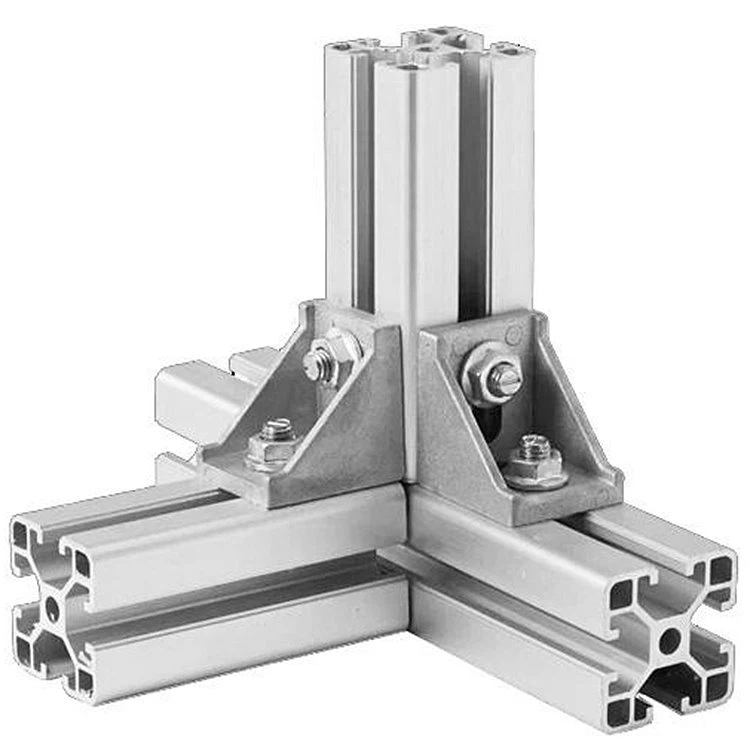
Fresh ideas often reshape manufacturing faster than new machinery. Production facilities now demand structures that can evolve alongside changing workflows, automation upgrades, and shifting customer requirements. Aluminum framing material has become a defining part of that evolution because it allows industrial environments to adapt without the delays and limitations associated with traditional fabrication methods.
Architecting Modular Agility in Modern Floor Layouts
Manufacturing floors rarely stay the same for long. Product lines expand, assembly sequences change, and equipment frequently moves to support new objectives. An aluminum framing kit gives engineers the flexibility to reconfigure workstations, partitions, and production cells without tearing apart permanent structures. Instead of starting from scratch, facilities can modify existing frameworks and keep operations moving with minimal disruption.
Adaptability also improves long-term planning. Facilities using MiniTec Aluminum Framing often create layouts designed for future growth rather than immediate needs alone. Modular structures can expand, shift, or integrate additional equipment as production demands evolve, helping organizations avoid costly facility modifications that often accompany rigid construction methods.
Beyond Steel: The Structural Shifts Redefining Plant Floors
Traditional steel construction remains valuable in many industrial environments, yet many manufacturers now seek alternatives that provide greater flexibility. Heavy welded structures can become difficult to relocate or modify once installed. A T slot aluminum extrusion system creates strong structural support while allowing adjustments that would be significantly more difficult with fixed steel frameworks.
Modern facilities increasingly prioritize adaptability alongside durability. Engineers often select MiniTec extruded aluminum framing because it combines structural performance with ease of assembly. This balance helps organizations respond faster to process improvements, production changes, and technology upgrades without sacrificing reliability on the plant floor.
Structural Integrity Meets Lightweight Ergonomics
Weight influences more than transportation costs. Heavy structures often require additional labor, specialized equipment, and longer installation schedules. An extruded aluminum T slot system delivers impressive strength while remaining substantially lighter than comparable steel assemblies, making installation and future modifications far more manageable. Ergonomic advantages extend beyond assembly crews. Production environments frequently rely on adjustable workstations and equipment supports that can be repositioned as operational requirements change. Lightweight framing systems make those adjustments practical while maintaining the structural integrity needed for demanding industrial applications.
Engineering Cleanrooms and High-Tech Assembly Zones
Precision manufacturing environments place unique demands on structural materials. Cleanrooms, electronics facilities, medical device production areas, and laboratory spaces require smooth surfaces that support cleanliness and reduce contamination risks.
Aluminum framing material performs exceptionally well in these settings because it resists corrosion and supports organized, professional installations. Advanced assembly operations also benefit from modular integration. Cable management systems, protective barriers, lighting components, and specialized equipment can often connect directly into a T slot extrusion framework.
This streamlined approach creates cleaner layouts while helping facilities maintain the controlled environments required for sensitive manufacturing processes.
How T-Slot Tonnage Maximizes Workspace Scalability
Scalability often determines whether a facility can keep pace with growth. Production managers frequently face situations where additional machinery, conveyors, or automation systems must be added within existing floor space. A properly engineered T slot aluminum extrusion structure allows those additions to occur without extensive reconstruction.
Expansion becomes far less disruptive when framing systems support modular growth. Facilities can extend production cells, add machine guarding, increase material handling capacity, or incorporate new technologies using compatible structural components. That flexibility transforms workspace development from a major construction project into a manageable operational adjustment.
Eliminating Weld Stress with Precision Fastening Systems
Welding creates permanent connections, but permanence can become a limitation when facilities need flexibility. Changes often require cutting, grinding, refinishing, and rebuilding sections of welded structures. Precision fastening systems used within MiniTec Aluminum Framing eliminate many of those challenges by creating strong mechanical connections that remain adjustable.
Maintenance departments appreciate the practical benefits as well. Individual sections can often be modified, expanded, or replaced without affecting the entire assembly. This capability reduces downtime and supports continuous improvement efforts that drive efficiency throughout modern manufacturing environments.
Future-Proofing Heavy-Duty Robotics and Machine Enclosures
Automation continues reshaping industrial production across nearly every sector. Robotic systems require protective guarding, equipment enclosures, safety barriers, and supporting infrastructure capable of adapting alongside technological advancements. Modular framing systems provide a foundation that accommodates both current automation requirements and future upgrades.
Robotics projects rarely remain static after installation. Equipment configurations change as production volumes shift and programming evolves. MiniTec extruded aluminum framing allows manufacturers to modify machine enclosures, safety structures, and automation cells without replacing entire systems, helping facilities maximize the value of long-term automation investments.
Sustainable Lifecycle Dynamics on the Factory Floor
Sustainability increasingly influences purchasing decisions across industrial markets. Reusable structural systems help reduce waste by allowing components to remain in service through multiple facility changes and production cycles. Instead of discarding entire frameworks during reconfigurations, manufacturers can often reuse substantial portions of existing assemblies.
Resource efficiency extends beyond environmental considerations. Organizations benefit financially when framing systems maintain value through repeated modifications and expansions. Companies seeking durable, adaptable structural solutions frequently turn to Minitec Solutions for expertise in modular framing applications that support efficiency, longevity, and operational flexibility across today’s rapidly changing industrial workspaces.