A heavy downpour can wash months of landscaping work downhill in just a few hours. Bare slopes, drainage ditches, and exposed soil are especially vulnerable when fast-moving water starts carrying dirt away. Selecting the right rocks for sale can help protect these areas, provided the stone matches the amount of water, ground conditions, and type of erosion involved.
How Rock Helps Keep Soil From Washing Away
Rainwater loosens exposed soil particles and carries them downhill, particularly where vegetation offers little protection. Placing appropriately sized rock over vulnerable ground creates a protective covering that absorbs some of the water’s impact and reduces direct contact with the soil. This approach works along drainage channels, embankments, and areas where runoff concentrates.
Rock placement also helps protect the soil beneath flowing water, but stone alone cannot correct every erosion problem. Contractors must account for water velocity, slope steepness, and the stability of the underlying ground. Poorly sized material can shift during storms and expose the surface again.
Choosing Rip Rap for Areas With Heavy Runoff
Rip rap consists of larger, durable stones used to protect slopes, ditch banks, and drainage outlets from erosion. Its irregular shape allows pieces to fit together and resist movement under flowing water. Contractors commonly install rip rap where smaller gravel would wash away during periods of heavy runoff.
Stone size depends on expected water velocity, channel slope, and the depth of flowing water. Larger pieces are not automatically better because oversized rock can be difficult to place and leave unnecessary gaps. Properly graded rip rap contains a range of stone sizes that create a more stable protective layer.
Can Smaller Gravel Control Erosion Effectively?
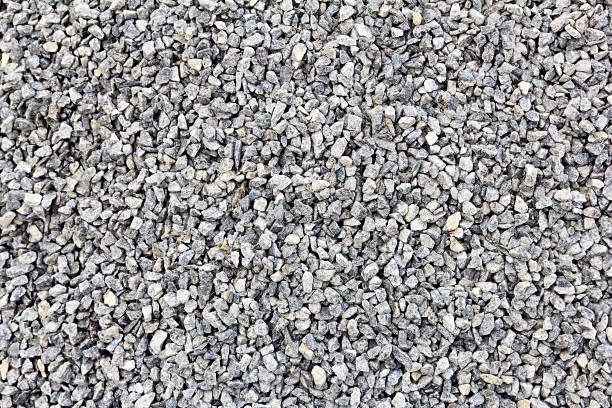
Smaller crushed stone can help manage erosion in areas experiencing slower runoff or occasional surface washing. Gravel may work well around downspout outlets, shallow drainage paths, and landscaped spaces where water movement remains relatively mild. Angular pieces generally resist displacement better than smooth, rounded stones.
Customers comparing gravel for sale should distinguish clean drainage aggregate from compactable driveway gravel. Clean stone allows water to pass through open spaces, while material containing fine particles forms a denser surface. Neither option suits every erosion problem, especially where concentrated runoff develops enough force to carry small stones away.
Why the Ground Beneath the Rock Needs Preparation
Loose soil can undermine erosion-control stone even if the rock itself is heavy enough to resist flowing water. Saturated clay may soften, while sandy ground can lose particles through the spaces between larger stones. Contractors address these conditions before placing protective aggregate.
Geotextile filter fabric or a properly designed granular filter can keep underlying soil from washing into the rock layer while allowing water to pass through. Installers also remove loose debris, shape the surface, and establish suitable drainage paths. Without proper preparation, erosion may develop underneath the stone and eventually cause sections to settle or collapse.
Protecting Slopes Without Sending Water Somewhere Else
Hillsides present additional problems because gravity and runoff work together to move loose material downhill. Rock coverings can protect exposed soil, but steep slopes may need engineered stabilization measures to prevent sliding or deeper ground movement. Contractors often combine erosion-control stone with vegetation, drainage improvements, or other reinforcement methods.
Redirecting runoff deserves careful attention. A rock-lined channel that carries water away from one property feature can create erosion farther downhill if the outlet lacks protection. Designers must consider where the water originates, how quickly it moves, and where it will safely discharge.
Getting the Right Quantity and Delivery Location
Erosion-control projects often require substantial amounts of aggregate, especially when protecting long drainage ditches or broad embankments. Contractors estimate material quantities from the covered area and specified layer thickness, allowing for irregular surfaces and the grading of the stone. Bulk deliveries help keep larger installations supplied without repeated trips to material yards.
Searching for rock delivery near me can identify local suppliers, but customers should confirm available rock sizes, truck capacity, and unloading requirements. Access can be difficult near soft ground, creek banks, or steep slopes. Delivery trucks need stable surfaces and enough room to unload without damaging surrounding property.
Planning Rock and Dirt Deliveries Around Site Repairs
Certain erosion-control projects require more than placing stone over damaged ground. Washed-out shoulders, collapsed ditch edges, and uneven drainage channels may need suitable fill material before crews install protective rock. Contractors typically restore the intended ground shape, compact appropriate fill, and place filter materials where the design requires them.
Coordinating rock and dirt delivery helps keep these materials available in the correct installation order. Property owners searching for rock and dirt delivery near me should identify the required aggregate grades and estimated quantities before scheduling deliveries. North Alabama Rock and Dirt supplies bulk gravel, rip rap, crushed stone, and dirt for projects throughout Madison and surrounding communities. Its material delivery options can support drainage improvements, slope protection, ditch repairs, and other erosion-control work where choosing the proper stone makes a difference.