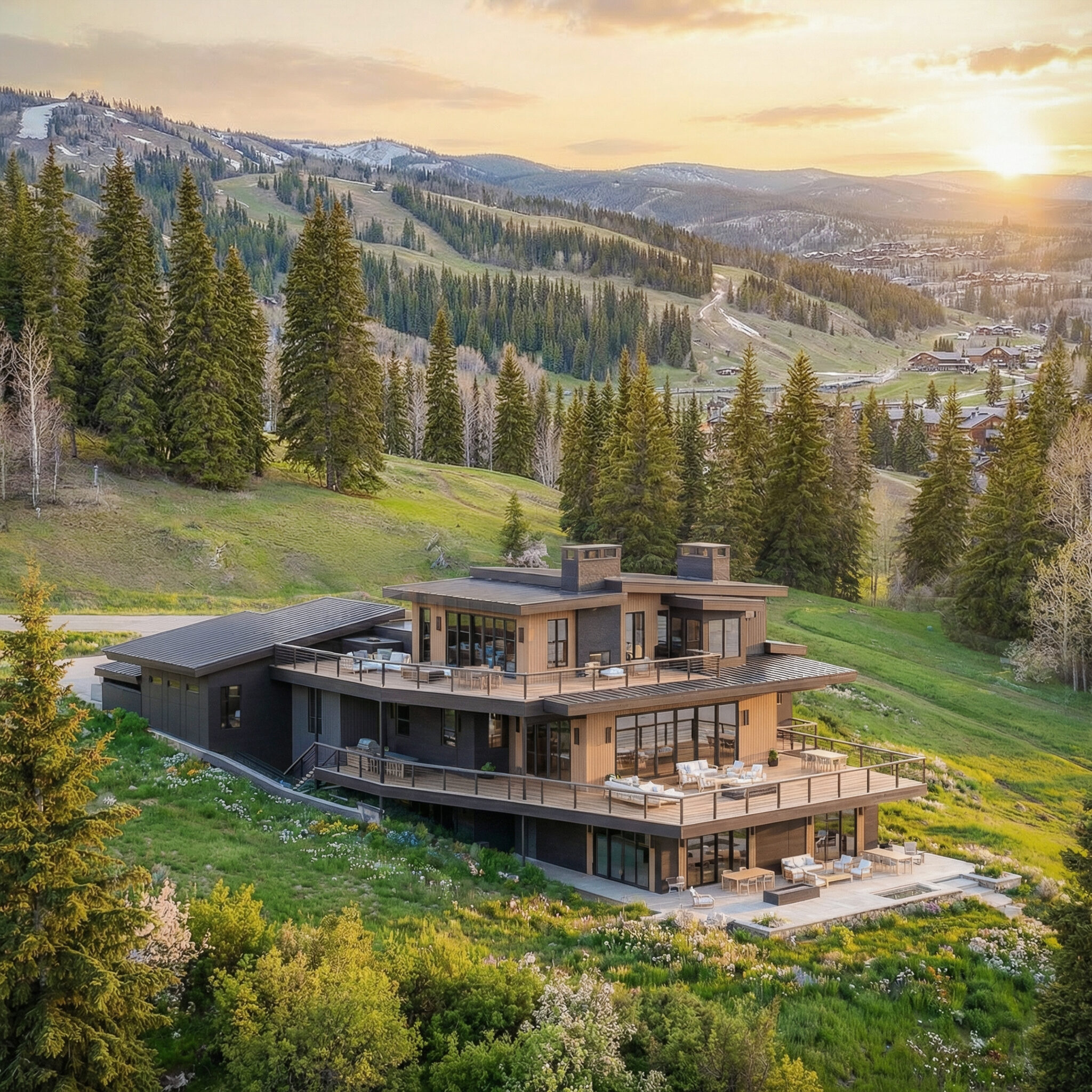
Mountain living has a pull that is hard to explain to anyone who has not felt it. The elevation, the views, the quiet, and the sense of being removed from the noise of everyday life make building in the mountains feel like one of life’s great rewards. But there is a specific set of challenges that comes with building at altitude and on sloped terrain, and most first-time mountain homeowners underestimate at least a few of them. Understanding what typically goes wrong before you start is the smartest way to make sure it does not go wrong for you. This resource on common pitfalls for luxury mountain homes breaks down exactly what experienced mountain builders see going wrong most often before a single beam is set.
The first and most common mistake is underestimating site costs. Mountain lots require significantly more grading, excavation, and foundational engineering than a flat suburban lot. The land preparation alone can add substantial cost to a build, and if you budgeted based on a flat-land comparison, you will find yourself short before the framing even begins. Always get a site assessment from a geotechnical engineer before finalizing your budget so you understand the true cost of the land beneath your dream. For a thorough overview of the full custom home building process, This Old House offers a detailed step-by-step guide that covers everything from site preparation to final inspections.
The second mistake is choosing design over durability when it comes to exterior materials. Mountain environments are demanding. Rooflines must handle heavy snow loads. Siding must survive freeze-thaw cycles. Windows and doors need to seal tightly against wind-driven cold and moisture. Prioritizing what looks beautiful in a summer photograph over what performs for thirty winters is a decision that shows up in heating bills, maintenance costs, and eventual repairs. Your mountain home should look spectacular and be built to endure the environment it sits in.
Access is another area that rarely gets enough attention in the planning stage. How does the road to your property handle ice and deep snow? Is there room for delivery trucks, concrete mixers, and large construction vehicles during the build? What happens in an emergency when roads become impassable? These practical realities of mountain living need to be part of your site selection and design conversation, not an afterthought discovered after closing. Platforms feature extensive real-world examples of mountain homes across different climates and can help you see how thoughtful architects handle site access, snow management, and structural design in challenging terrain.
The third major mistake involves utilities. Mountain properties often require extended runs for water, sewer, electricity, and internet, and in some cases you may be relying on well water, septic systems, and propane rather than municipal services. The cost and complexity of bringing utilities to a remote mountain site should be fully understood before you commit to a parcel of land.
Building in the mountains is a genuinely rewarding endeavor when it is done with the right team and the right planning. The view from the porch, the morning light on the peaks, and the sense of having created something exceptional in an extraordinary setting make every challenge worthwhile. Just make sure you go in with clear eyes, a realistic budget, and a design and construction team that has genuinely done this before. The difference between a mountain home built with expertise and one built without it is visible in every season for as long as the home stands.